Why Body Contouring Farmington Hills Appeals to All Ages
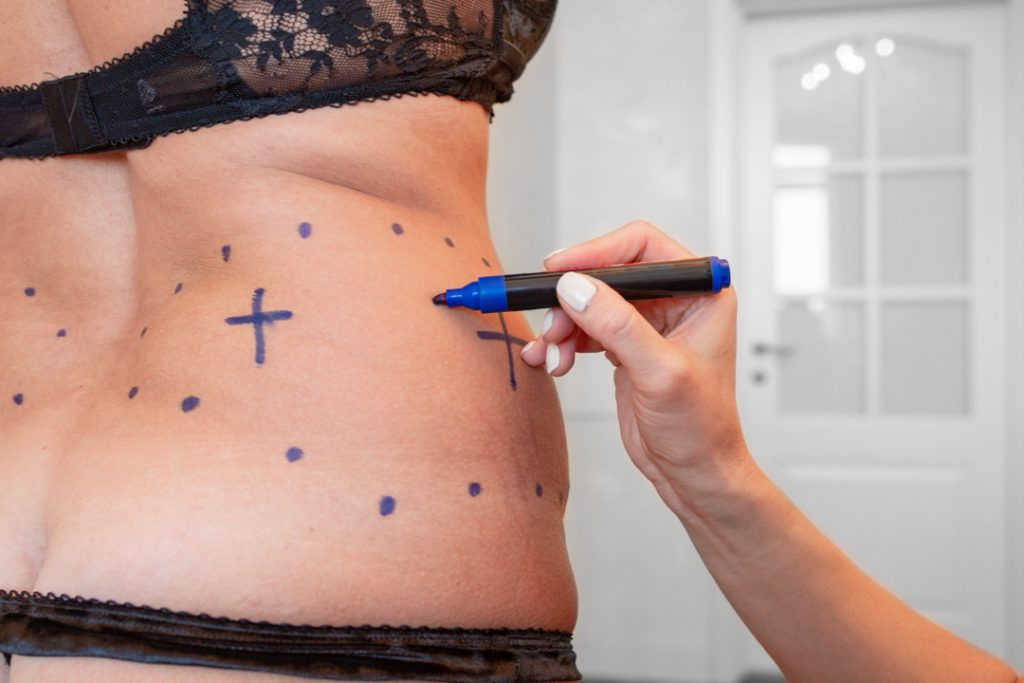
Body contouring used to carry a narrow reputation. For years, many people assumed it belonged to one specific crowd, usually younger adults chasing a highly sculpted look or celebrities with the time and budget for elaborate cosmetic care. That picture no longer matches reality. In communities like Farmington Hills, body contouring has become far more practical, more personalized, and much easier to discuss without embarrassment. Patients now come in with very different goals, and those goals often have less to do with trends than with comfort, proportion, and confidence.
That is a big reason Body Contouring Farmington Hills continues to draw interest from adults in their 20s, 40s, 60s, and beyond. The appeal crosses age lines because the concerns it addresses are not limited to one stage of life. A young professional may want help with a stubborn lower abdomen that never responds to exercise. A parent may want to feel more like themselves after pregnancy. Someone in midlife may be dealing with changes in skin laxity, fat distribution, and muscle tone that arrived gradually over a decade. An older adult may simply want clothing to fit better and to look as energetic as they feel.
When you strip away the marketing language and look at what happens in real practices, the appeal is straightforward. People want options that meet them where they are, not where they were at 25.
The shift from vanity to personalization
One of the biggest changes in body contouring is the way patients talk about it. They are usually not asking for a dramatic transformation. More often, they want refinement. They want to smooth an area that draws too much attention, restore proportion after weight loss, or improve the silhouette under everyday clothes.
That difference matters. It changes the consultation, the treatment plan, and the final result. A good provider is not trying to force one ideal body shape onto every patient. Instead, the focus is on anatomy, lifestyle, recovery tolerance, skin quality, and realistic outcomes.
In Farmington Hills, where patients range from busy executives to retirees to parents juggling packed schedules, convenience also matters. Many adults are interested in procedures or treatments that do not require a long absence from work or family routines. That has expanded interest across generations. People who never would have considered older surgical approaches are now open to modern contouring because it can be tailored to their time, goals, and budget.
This is one reason the phrase Body Contouring Farmington Hills has become associated with broad rather than niche appeal. It does not describe one age group. It describes a category of solutions that can be adjusted for different bodies and different life stages.
Why younger adults are drawn to body contouring
Patients in their 20s and 30s often arrive with strong health habits already in place. They may exercise consistently, watch their diet, and maintain a stable weight. Even so, many notice specific areas that do not change much despite disciplined effort. The lower belly, flanks, under-chin area, upper arms, and outer thighs come up often in consultations.
For this age group, the interest is usually not about aging. It is about stubborn patterns. Genetics plays a large role in where the body stores fat and how easily those stores respond to training. A patient can be physically fit and still dislike one or two areas that seem out of proportion with the rest of their shape.
There is also a strong practical side to the decision. Younger adults may prefer early intervention while skin elasticity is still relatively strong. In many cases, that can support smoother contour changes and may widen the range of suitable treatment options. It does not mean every younger patient is a candidate for every treatment, but it often means their tissue quality gives a provider more flexibility.
I have seen many patients in this age group approach body contouring with a thoughtful, measured attitude. They are not necessarily looking for a dramatic before-and-after reveal. They want to feel more comfortable in fitted clothing, less distracted at the gym, or less frustrated after years of effort that never changed one persistent area. When expectations are Body Contouring Farmington Hills realistic, those are often satisfying cases.
The post-pregnancy conversation is different
For many women in their 30s and 40s, body contouring is not really about weight. It is about restoration. Pregnancy can change abdominal skin, muscle tone, breast position, and fat distribution in ways that exercise alone cannot fully reverse. Even with excellent postpartum fitness, some changes remain structural.
That distinction is important because it sets realistic expectations. A person who feels discouraged after doing everything “right” often needs reassurance that they are not failing. They are dealing with anatomy. Stretched skin does not tighten simply because someone does more core workouts. Separated abdominal muscles may need a different approach than a wellness plan can provide. Even a small contouring treatment can make a noticeable difference in how clothing fits and how the body feels during movement.
This group is often among the most practical in consultations. They tend to ask direct questions. How long is recovery? When can I lift my child? Will I need help at home? Is a non-surgical option enough, or am I asking it to do something it cannot do? Those questions usually lead to better decisions, because they keep the discussion grounded in real life instead of wishful thinking.
Body Contouring Farmington Hills appeals strongly to this stage of life because many practices understand the balance these patients need. They want results, but they also need a plan that respects work schedules, parenting demands, and recovery logistics.
Midlife brings new contour concerns
By the time patients reach their 40s and 50s, the conversation often becomes more layered. Hormonal shifts, slower recovery, years of fluctuating weight, and changing skin elasticity all affect what body contouring can achieve and how it should be planned.
This is the age range where people often say, “I haven’t changed much, but my body has.” It is a familiar feeling. Areas that once responded quickly to exercise may now hold onto fullness. Waist definition may soften. The inner thighs or upper arms may show laxity even if body weight remains stable. Some patients also notice that they look different after losing weight than they expected, because volume loss and tissue looseness create a different set of concerns.
Midlife patients are often excellent candidates for contouring because they tend to have clear goals and a realistic understanding of maintenance. They are usually not expecting one treatment to solve every issue. They understand that fat reduction, skin tightening, and muscle repair are separate questions. A provider can work productively with that mindset.
This age group also tends to appreciate subtlety. They may not want anyone to know they had a procedure. They want to look rested, fit, and better balanced, not “done.” That preference aligns well with the current direction of aesthetic medicine, where the best outcomes often look unremarkable in the most flattering way. Friends notice that someone looks better in their clothes or seems more self-assured, but they cannot always identify why.
Older adults are part of this market for good reasons
One of the most persistent myths about body contouring is that older adults are not interested. In practice, many are. They may simply talk about it differently.
Patients in their 60s and 70s often frame the issue in terms of function and comfort. They mention bra bulges that make certain tops feel awkward. They talk about loose skin after significant weight loss. They describe a softer midsection that no longer matches their overall health. Men may mention abdominal fullness or chest contour changes that affect how tailored clothing sits. Women may want a smoother line under slacks or dresses. These are not frivolous concerns. They affect daily comfort, social confidence, and self-image in a very direct way.
What changes with age is not the right to pursue body confidence. What changes is the treatment strategy. Tissue quality, medical history, medication use, healing capacity, and recovery tolerance all become more important. A responsible provider does not treat an older patient like a younger version of the same person. They assess candidacy carefully and match the plan to the individual.
That can still lead to excellent outcomes. In fact, older adults are often some of the happiest patients because their goals are so specific. They are not chasing perfection. They want improvement they can see and feel, especially in everyday life. When those expectations are met, satisfaction tends to be high.
Non-surgical options widened the audience
A major reason body contouring now appeals across age groups is the growth of non-surgical and minimally invasive treatments. Years ago, the gap between “do nothing” and “have surgery” felt large. Today, there are more middle-ground options, which makes the category feel more approachable.
That does not mean non-surgical treatments replace surgery. They do not. A patient with significant excess skin after major weight loss may not get meaningful improvement from a skin tightening Farmington Hills device-based treatment alone. But for mild to moderate fullness or modest laxity, non-surgical options can be attractive because they usually involve less downtime and lower disruption to normal life.
This matters to nearly every age group, but for different reasons. Younger adults may like the convenience. Midlife patients may like the ability to avoid a lengthy recovery. Older adults may prefer a more conservative starting point. Some people simply want to test the waters with a treatment that feels less intimidating.
The best consultations are honest about limits. If a treatment can improve contour by a modest but worthwhile margin, say that. If it can only deliver a small change, say that too. Patients usually appreciate frank advice, especially when they are choosing between procedures with very different price points and recovery profiles.
Surgical options still matter, especially for the right candidate
For all the attention paid to non-surgical technology, surgery remains the right answer in many cases. This is particularly true when loose skin, muscle separation, or larger volume changes are involved. A patient who has lost 60 pounds and now struggles with folds of excess abdominal skin is dealing with a different problem than someone who wants a slight reduction in flank fullness.
Age alone does not determine whether surgery is appropriate. Health status, goals, anatomy, and recovery planning matter far more. Some patients in their 30s are poor surgical candidates because of unrealistic expectations or inability to follow recovery instructions. Some patients in their 60s are excellent candidates because they are medically stable, active, and well prepared.
This is where experience matters. A seasoned provider can usually tell when a patient is likely to be disappointed by a less aggressive treatment, even if that option sounds easier. They can also identify when a patient is asking for surgery when a smaller intervention would do the job. Good body contouring is not about choosing the biggest procedure. It is about choosing the right level of intervention.
Different ages, similar emotional drivers
Although age changes the body, it does not change the basic emotional reasons people pursue contouring. Most patients want some combination of confidence, comfort, and control. They want their appearance to feel more aligned with how they see themselves.
A 28-year-old may feel frustrated that one area never responds to consistent workouts. A 45-year-old may feel disconnected from her body after pregnancy and career stress. A 68-year-old may feel healthy and energetic but dislike that her midsection makes her look less active than she is. The details differ, but the emotional core is familiar.
One of the more telling moments in consultations comes when patients describe small daily experiences rather than dramatic insecurities. They mention avoiding tucked-in shirts. They mention changing outfits three times before dinner. They mention buying the larger size for one problem area, then feeling the rest of the garment hangs poorly. Those are not trivial complaints. They are repetitive irritations that wear on confidence over time.
That helps explain why Body Contouring Farmington Hills resonates with such a broad population. The motivations are deeply human and surprisingly universal.
What patients should evaluate before moving forward
Interest is broad, but candidacy still needs care. The strongest outcomes usually come from people who approach treatment with stable habits, realistic expectations, and a clear sense of what bothers them most. A consultation should feel less like a sales pitch and more like a planning session.
A few questions are worth asking before anyone commits to treatment:
- Is the concern mostly fat, mostly loose skin, or a combination of both?
- Has weight been stable for at least several months?
- Is the desired change subtle, moderate, or truly transformative?
- How much downtime is realistic given work, family, and exercise routines?
- Is the provider explaining limits as clearly as benefits?
Those questions sound simple, but they shape almost everything. Many disappointing outcomes begin with a mismatch between the problem and the chosen treatment. A modest non-surgical tightening treatment is unlikely to satisfy someone with significant skin redundancy. A person looking for a dramatic all-over change may also need to hear that body contouring works best as a targeted tool, not a substitute for comprehensive health changes.
The Farmington Hills factor
Location matters more than many people realize. Patients are not just choosing a procedure. They are choosing a local care experience. In a place like Farmington Hills, where many residents value privacy, professionalism, and convenience, aesthetic services tend to succeed when they are accessible without feeling impersonal.
That affects the entire process. A nearby office makes follow-up visits easier. It reduces the friction of consultation appointments. It can also make people more willing to ask questions, return for maintenance treatments when appropriate, and build trust with a provider over time. For adults balancing work, commuting, family obligations, and seasonal schedules, local access is not a minor detail. It often determines whether treatment feels manageable at all.
There is also a community dimension. As aesthetic medicine has become more normalized, more patients hear about body contouring through friends, neighbors, gym contacts, or salon conversations rather than glossy advertising. They hear practical stories. How long were you sore? Could you go back to work quickly? Was it worth it for the amount of change you got? Those grounded conversations tend to bring in a wider range of ages because they remove some of the mystery.
Good providers treat age as context, not a category
One of the clearest signs of a thoughtful practice is that it does not reduce patients to their birth year. Age is useful context, but it is not destiny. Two patients who are both 52 may have completely different anatomy, priorities, and tolerance for recovery. One may be a distance runner with excellent skin tone and a focused goal around the lower abdomen. The other may have had major weight fluctuations and be more concerned with skin laxity in several areas.
The same principle applies at every age. Younger does not always mean easier. Older does not always mean limited. The quality of the treatment plan depends on how carefully the provider looks at the actual tissue, listens to the patient’s goals, and explains what can reasonably be achieved.
That judgment is part science and part experience. It is what separates ethical body contouring from aggressive sales culture. The best recommendations often include restraint. Sometimes the right advice is to wait, improve weight stability, or choose a smaller procedure. Sometimes the right advice is to avoid spending money on a treatment that is unlikely to move the needle.
Patients of all ages benefit from that honesty.
Results look best when they fit the person
Body contouring tends to age well, figuratively and literally, when the result matches the person rather than a trend. Overly aggressive change can look unnatural at any age. Balanced improvement tends to hold up better because it respects body proportions, skin behavior, and lifestyle.
That is another reason the category has such broad appeal. People no longer feel pressured to chase a one-size-fits-all aesthetic. They can pursue a narrower, more personal goal. They can target one frustrating area. They can restore shape after a major life event. They can choose a level of treatment that fits their health and schedule.
For some, the payoff is visible in photos. For others, it shows up in quiet moments, reaching for a fitted sweater without hesitation, packing for a trip with less wardrobe stress, returning to the gym without feeling self-conscious, or simply seeing a body in the mirror that feels more familiar again.
Body Contouring Farmington Hills appeals to all ages because it meets people in those practical, personal moments. The technology matters. The provider matters. The plan matters. But the deeper reason is simpler. Bodies change across a lifetime, and the desire to feel comfortable in your own does not expire.