What to Expect During a Body Contouring Consultation

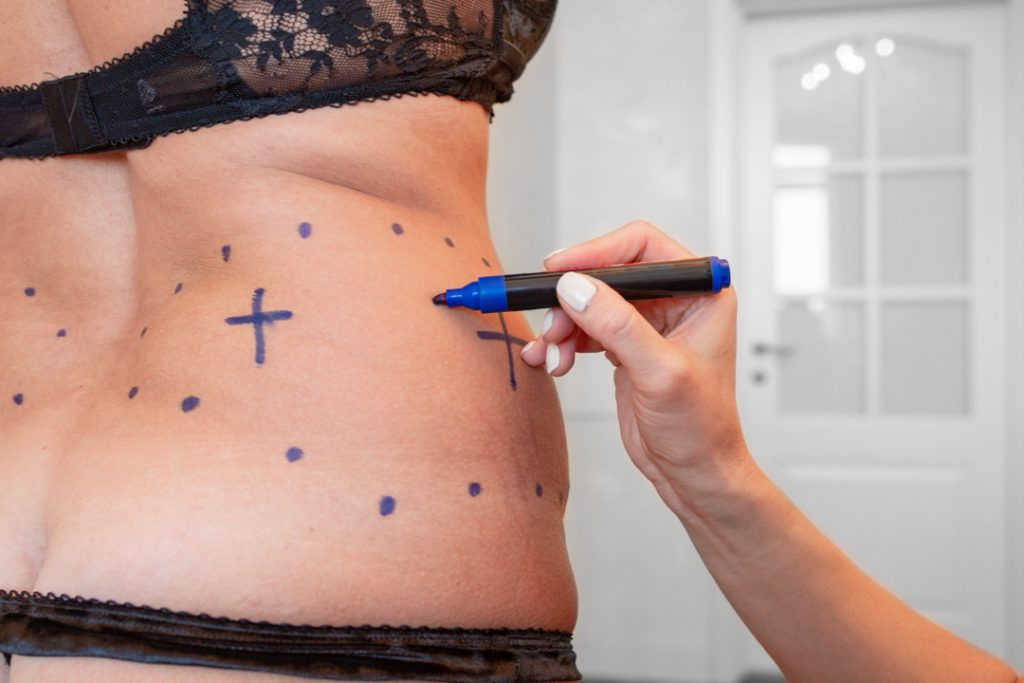
A body contouring consultation is not a sales pitch, or at least it should not be. Done properly, it is a structured medical conversation about your anatomy, your goals, your health history, and the realistic ways those pieces fit together. Some patients arrive expecting a quick yes or no. Most leave realizing the appointment is more nuanced than that. Body contouring can improve shape, proportion, and fit in clothing, but it does not erase every fold, replace weight loss, or create a body that ignores genetics and tissue quality.
That distinction matters from the first few minutes.
People usually seek body contouring after a major change. Sometimes it is weight loss, sometimes pregnancy, sometimes aging, and sometimes it is simply frustration with a stubborn area that has not responded to exercise or nutrition changes. The consultation is where those stories become clinically relevant. A surgeon is not just looking at where the fullness or loose skin sits. They are trying to understand how it developed, whether it is stable, and what kind of correction your body can support safely.
If you know what the appointment is designed to uncover, you are less likely to feel overwhelmed and more likely to ask useful questions. That alone can change the quality of the decision you make.
The consultation starts before anyone examines you
Long before measurements or photographs, there is intake. Expect forms about your medical history, prior surgeries, medications, allergies, pregnancies, weight changes, nicotine use, and chronic conditions. It can feel repetitive, especially if you have filled out similar paperwork elsewhere, but small details matter in body contouring. A history of poor wound healing, blood clots, hernia repair, keloid scars, or large weight fluctuations can change the operative plan or even rule out certain procedures for the time being.
Weight history often comes up early, and not just as a number on the scale. Surgeons usually want to know your highest weight, current weight, whether it has been stable, and for how long. If a patient has lost 80 pounds but is still losing steadily, many surgeons will advise waiting until weight has plateaued for several months. That recommendation is not about perfection. It is about timing. Operating during active weight change can compromise the result, especially when the goal is to remove loose skin and reshape the torso.
The same applies after pregnancy. If someone is only a few months postpartum, the tissues may still be shifting. The abdominal wall can continue to recover, swelling can fluctuate, and routines around lifting, sleep, and childcare may make recovery harder than expected. A thoughtful consultation factors in life logistics, not just anatomy.
You will be asked what bothers you, but the better question is why
Many patients begin with a body part. They say they dislike their abdomen, arms, thighs, waist, or lower back. That is useful, but it is only the starting point. An experienced surgeon usually pushes further. What exactly bothers you about the area? Is it extra fat, loose skin, asymmetry, hanging tissue, bra-line fullness, discomfort in clothes, irritation under folds, or a loss of definition that used to be there?
Those distinctions matter because body contouring is not one treatment. Liposuction addresses excess fat. Skin excision addresses laxity. Muscle repair, when relevant in the abdomen, addresses separation of the abdominal wall. Energy-based skin tightening may help mild laxity in selected cases, but it does not replicate the effect of surgery in someone with significant excess skin. A consultation is partly about matching the complaint to the right tool.
This is also where expectations begin to surface. A patient may say, "I want my stomach flatter," but mean one of several different things. One person wants less lower abdominal overhang. Another wants a tighter waistline. Another wants visible muscle definition. Another simply wants clothing to fit smoothly. Those are not interchangeable goals, and the route to each one is different.
I have seen consultations become dramatically more productive once a patient stops trying to describe the procedure they think they need and instead describes the daily problem they want solved. "My jeans cut into this shelf of tissue," "I avoid fitted dresses because of this loose skin," or "my arms move more than I want when I wave" gives the surgeon better information than "I think I need liposuction."
Expect a frank discussion about candidacy
Not everyone is a good candidate for body contouring on the day they first ask about it. That is not a brush-off. It is often a sign of a careful practice.
Candidacy usually turns on a few core issues:
- overall health and anesthesia risk
- weight stability
- smoking or nicotine exposure
- skin quality and tissue laxity
- recovery support at home
Nicotine deserves special emphasis. Patients are often surprised by how strict surgeons can be about smoking, vaping, nicotine gum, patches, or other nicotine products. The reason is practical, not moral. Nicotine constricts blood vessels and can compromise healing, particularly in procedures that involve skin removal. In body contouring, poor circulation raises the risk of wound breakdown, delayed healing, tissue loss, and wider scars. A surgeon who insists on nicotine cessation before scheduling is protecting the result and, more importantly, the patient.
Medical conditions can shape the plan as well. Diabetes, autoimmune disease, untreated sleep apnea, anemia, clotting disorders, and certain cardiac issues may prompt additional testing or clearance. Prior abdominal surgery may increase complexity if there is scar tissue or a hernia. Patients sometimes assume these are side notes. They are not. They are central to whether body contouring can be done safely and how aggressive the plan can be.
The physical exam is detailed, and that is a good sign
A proper body contouring consultation includes a physical examination that is more analytical than many people expect. Surgeons are assessing far more than size. They are looking at skin thickness, elasticity, the distribution of fat, muscle tone, pre-existing asymmetry, scar placement, stretch marks, quality of the underlying tissues, and how an area changes when you stand versus when you lie down.
In the abdomen, for example, they may check for rectus diastasis, which is a separation of the abdominal muscles commonly seen after pregnancy or major weight changes. In the thighs or arms, they may evaluate whether the issue is mostly volume, mostly laxity, or a combination of both. In the flanks and back, they are often thinking about how adjacent zones need to blend so the result looks proportional rather than isolated.
This is also the point when patients learn that one area can influence another. Someone focused on lower abdominal fullness may actually need contouring of the waist and flanks to create the shape they have in mind. Another patient asking about liposuction alone may discover that significant loose skin means liposuction by itself could make the area look worse. A skilled consultation connects the dots between zones of the body rather than treating each concern in isolation.
Modesty is handled professionally, but the exam does require visibility. You may be asked to change into a gown or disposable garment, and photos are often taken for planning and medical documentation. Clinical photography can feel awkward the first time. In a reputable practice, it is routine, respectful, and controlled. Those images help with preoperative planning, communication, and honest comparison after healing.
You may hear more than one treatment option
One of the most useful signs in a consultation is when the surgeon explains multiple reasonable options instead of forcing every patient into a single answer. Body contouring often presents a spectrum rather than a binary.
A patient with mild lower abdominal fullness and good skin tone might be a candidate for liposuction alone. A patient with excess skin below the navel but relatively good tissue above it might hear about a mini tummy tuck. Someone with diffuse laxity, muscle separation, and skin redundancy after pregnancy or weight loss may need a full abdominoplasty with liposuction in selected areas. Another person may be better served by staging procedures rather than combining everything at once.
That conversation should include trade-offs. Liposuction typically means smaller scars and a somewhat easier recovery than an excisional procedure, but it cannot remove hanging skin. A tummy tuck can flatten and tighten more comprehensively, but it involves a longer scar, stricter activity restrictions, and a bigger healing commitment. Arm and thigh contouring follow the same logic. The more skin that must be removed, the more scar burden becomes part of the deal.
Good consultations are honest about those trade-offs. Great shape with a scar may be preferable for one patient and unacceptable for another. There is no universal answer.
Body contouring is as much about tissue quality as it is about pounds
One of the most common misunderstandings in consultation rooms is the idea that a certain number of pounds lost, or a certain body mass index, automatically predicts the right procedure. It does not. Two patients can have the same height, similar weight, and very different contouring needs.
The reason is tissue quality. Skin that has been stretched by pregnancy, long-term weight gain, or repeated weight cycling behaves differently than skin that remains elastic. Fat distribution differs too. Some people store pinchable superficial fat, while others carry deeper fullness or more diffuse thickness through the torso. Previous surgeries can tether skin in ways that alter the final contour. Age matters, but not in a simple linear way. A healthy 52-year-old with good skin quality may be an easier contouring patient than a younger person with severe laxity after massive weight loss.
This is why a consultation can be more valuable than hours spent comparing before-and-after photos online. The internet shows outcomes. It rarely explains the tissue characteristics that made those outcomes possible.
Expect a practical conversation about scars
Patients often hesitate to ask about scars because they worry it sounds vain or unrealistic. In body contouring, it is one of the most sensible questions you can raise. Many contouring procedures trade excess tissue for a surgical scar. That trade can be absolutely worth it, but it should be discussed plainly.
The surgeon should explain where scars typically sit, how long they may be, what clothing usually covers them, and how they tend to mature over time. Scar quality varies by genetics, skin type, tension on the closure, healing behavior, and aftercare. Early scars are usually red or pink and more noticeable. Over months, they often soften and fade, but that process is gradual. Patients prone to hypertrophic scars or keloids need special counseling because their scar risk may be higher.
There is also an emotional aspect to this conversation. Some patients fear scars until they see how much the excess skin or tissue bothers them in daily life. Others would rather keep loose skin than accept a visible line. The right answer depends on the patient, but it should be based on a clear understanding of the exchange being made.
Recovery planning comes up earlier than many people expect
A serious consultation does not stop at what happens in the operating room. Recovery is part of the procedure, not an afterthought. This section of the conversation often changes a patient’s timeline more than the operation itself.
Expect discussion about time away from work, lifting restrictions, driving, sleeping positions, swelling, compression garments, drains if applicable, and when exercise can safely resume. For office-based work, people sometimes return within one to two weeks after selected procedures, but more extensive body contouring can require longer, especially if movement is limited or discomfort persists. Jobs that involve lifting, bending, prolonged standing, or physical labor usually require more recovery time.
Parents of small children often underestimate how disruptive the first couple of weeks can be. If you regularly lift a toddler, carry laundry baskets up stairs, or care for someone else at home, that needs to be on the table during consultation. Surgeons ask these questions because a technically successful operation can still become a difficult experience if the recovery plan is unrealistic.
The same goes for travel. Patients coming from out of town sometimes focus on surgery date and hotel arrangements but forget that follow-up matters. Swelling, drain care, dressing changes, and early postoperative monitoring may require staying nearby longer than expected.
Photos, simulations, and before-and-after galleries have limits
Most people want visual guidance, and that is reasonable. Before-and-after photos can help you understand a surgeon’s aesthetic approach and what kinds of transformations are realistic for bodies that resemble yours. But photos should educate, not hypnotize.
A strong consultation frames them correctly. Lighting, posture, camera angle, and healing stage all affect what you see. More importantly, the patient in the photo is not your tissue, your skin quality, or your surgical risk profile. Digital imaging or simulation tools, when used, should also be handled with care. They may help illustrate a concept, but they are not promises.
One of the most responsible things a surgeon can say is that your result will be your own. That may sound less exciting than a flawless image on a screen, but it is more trustworthy.
Cost should be discussed clearly, without pressure
At some point, the consultation turns to fees. This part should be transparent. Body contouring costs vary based on procedure complexity, operating time, anesthesia, facility fees, garments, drains, postoperative visits, and whether multiple areas are combined. The number matters, but the structure matters too.
A clear quote should help you understand what is included and what is not. Does the estimate include anesthesia? Facility fees? Compression garments? Follow-up appointments? Are revision policies explained? If you are considering combined procedures, ask whether staging them would change overall cost, risk, or recovery.
Price alone is not a reliable way to compare practices. Lower fees can reflect efficiency, geography, or a narrower service package, but they can also signal corners you do not want cut. Higher fees do not automatically mean better surgery either. The consultation should give you context for value, not just a number.
Pressure is a red flag here. Limited-time discounts, aggressive upselling, or attempts to rush a booking decision do not belong in a thoughtful surgical consultation. Body contouring is elective. You should have room to consider what you heard.
Questions worth bringing with you
Patients often remember only part of the appointment, especially if they hear several options. Bringing a short list of questions helps. Keep it practical. Ask what procedure the surgeon recommends for your goals, why that option fits better than alternatives, where the scars would be, what the first two weeks of recovery usually look like, and what result limitations are specific to your anatomy.
You should also ask about risks in plain language. Every surgery has them. For body contouring, that can include fluid collections, wound healing problems, contour irregularities, asymmetry, numbness, scarring, blood clots, and the possibility that a result may improve shape significantly without reaching the ideal picture you had in mind. The goal is not to frighten yourself. It is to make an informed choice.
A consultation becomes much more useful when patients write things down right after the visit. The details blur quickly, especially if you are balancing multiple opinions.
Sometimes the answer is “not yet”
Not every strong consultation ends with a surgery date. Sometimes the best recommendation is to wait. That might mean stabilizing weight, improving nutrition, correcting anemia, stopping nicotine, spacing surgery farther from childbirth, or addressing an untreated medical issue first. It might also mean narrowing your goals. A patient asking for a dramatic result from a minor procedure may https://privatebin.net/?f301f934fd0c79db#B2VV4EH3Tgob73aqd2mUWChtfqxYoBdcjS5qcisZXe8U need time to recalibrate expectations.
This can feel disappointing in the moment, but it is often where the best judgment shows. Body contouring is one of those areas where timing influences outcome more than people realize. Tissue behaves better when the body is stable. Recovery goes more smoothly when life is organized around it. Results tend to be more satisfying when the patient is seeking refinement rather than rescue.
How you should feel when the appointment ends
You do not need to leave a consultation feeling dazzled. You should leave feeling informed. That means you understand what problem is actually being treated, which procedure or combination has been recommended, what the trade-offs are, what recovery will demand, and what limits exist in your particular case.
You should also feel respected. A good consultation has room for your concerns, even the ones that seem small. It does not shame your body, minimize your goals, or promise transformations that ignore biology. It gives you a realistic picture and enough specifics to decide whether body contouring fits your health, your schedule, and your priorities.
That is the real value of the appointment. Not persuasion, not pretty marketing language, and not a one-size-fits-all script. Just a careful evaluation of what is possible, what is wise, and what it would take to get there.
Aesthetic Plastic Surgery & Laser Center, Michelle Hardaway M.D.
Address: 27920 Orchard Lake Rd, Farmington Hills, MI 48334
Phone number: +12482211957
FAQ About Body Contouring in Michigan
What does body contouring actually do?
Body contouring (or body sculpting) eliminates stubborn localized fat, tightens loose, sagging skin, and reshapes your silhouette. It is not a weight-loss tool, but rather a cosmetic procedure used to refine and tone specific trouble spots after major weight loss, pregnancy, or aging.
How much does body contouring usually cost?
The total cost of body contouring usually ranges from $2,000 to $25,000+ depending entirely on whether you choose non-surgical sessions or major surgical procedures.
Because "body contouring" covers everything from simple fat-freezing to comprehensive post-weight-loss surgeries, pricing is heavily categorized by the method used.
What is the best type of body contouring?
Liposuction is a huge topic and worth discussing in more detail, but in terms of body contouring and sculpting, nothing does the job better than liposuction, particularly VASER liposuction.