Liposuction Michigan for Back Fat and Bra Line Sculpting
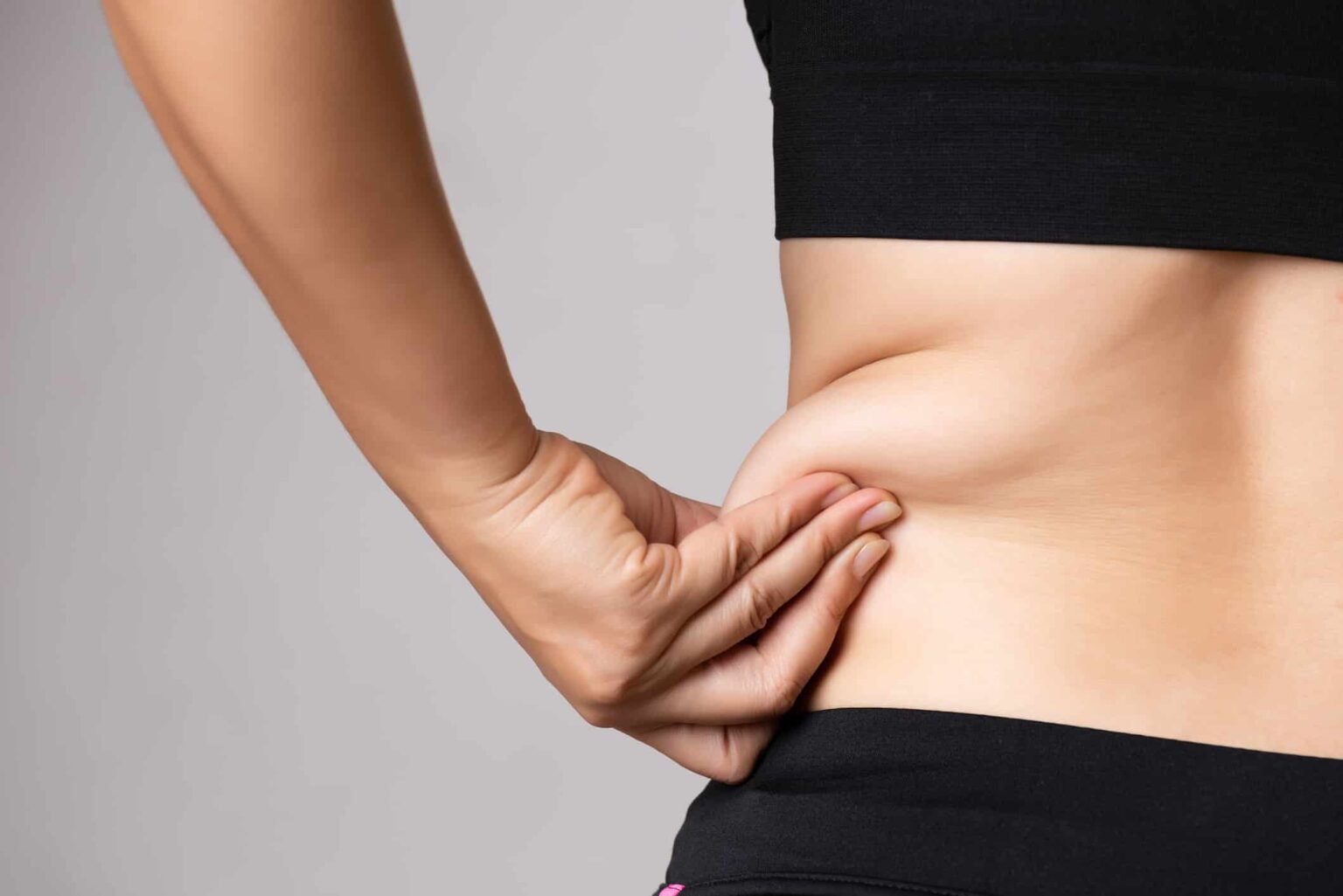
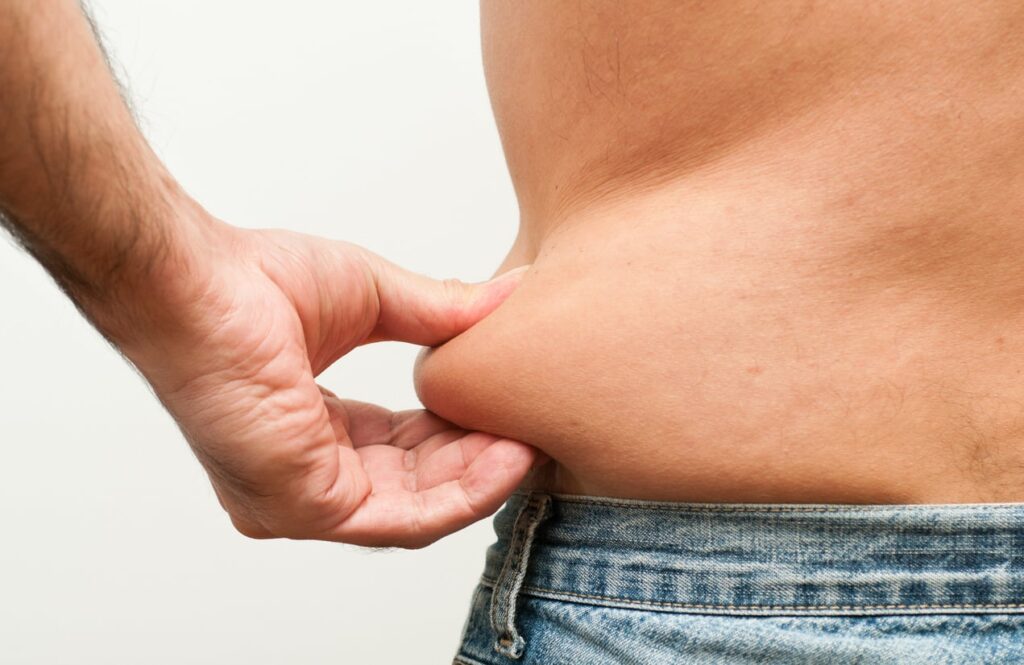
Back fat and bra line fullness frustrate people in a very specific way. It is not usually about weight alone, and it often does not respond the way patients expect when they diet, train consistently, or lose a meaningful amount of body fat overall. The rest of the body may lean out while that upper back area, the roll beneath the bra strap, or the fullness near the underarm lingers. Shirts cling there. Fitted dresses catch there. Even well-made bras can create a visible ridge that feels out of proportion to the rest of the silhouette.
That is why liposuction for this area has become one of the more satisfying contouring procedures when it is done thoughtfully. In experienced hands, back and bra line liposuction can change how clothing sits, how the waist transitions into the upper torso, and how the body looks from angles patients rarely think about until they see photos of themselves from behind.
For people researching Liposuction Michigan options, the back and bra line deserve careful attention because this is not a one-size-fits-all treatment area. The anatomy is different from the abdomen or flanks. The skin behaves differently. The goals are often subtle but important. A good result depends less on taking out the maximum amount of fat and more on creating a smooth, balanced contour that still looks natural in motion.
Why the back and bra line are so difficult to change
Upper back fat is shaped by more than calorie balance. Genetics play a major role. Hormonal changes, especially after pregnancy or during perimenopause, can shift where fat tends to collect. Age changes skin elasticity, which affects how the tissue drapes over the ribcage and around the scapula. Bra design also influences what patients notice. A narrow band can compress soft tissue and exaggerate a fold that might look milder in a different garment.
Another issue is that this region is broad, curved, and highly visible under clothing. The eye picks up even small irregularities. A little fullness above the bra band can make the torso appear shorter and wider. Fullness extending toward the posterior axillary area, the zone near the outer chest and underarm, can blur the line between the upper back and the arm. Even when the amount of fat is not large, the visual effect can be outsized.
Patients often say some version of the same thing during consultations. Their weight is stable. They work out. They may even be happy with their front profile. But from the back, they feel their body does not match their effort. That is where targeted liposuction can be useful. It is not a substitute for weight loss, and it is not meant to transform a body into something artificial. It is a contouring procedure, best used to refine areas that seem resistant.
What bra line sculpting actually treats
When surgeons talk about bra line liposuction, they are usually referring to one or more neighboring zones rather than a single tiny pocket. The exact map depends on the patient’s anatomy, but the common targets are the central upper back, the lateral back beneath the shoulder blades, the roll created at the bra band level, and the tissue that spills toward the underarm.
The challenge is deciding how far to treat. Too conservative, and the patient still sees the same fold in a fitted top. Too aggressive, and the area can look hollow or uneven, especially when the arms move. The best bra line sculpting tends to be measured. It smooths transitions. It narrows visual width. It keeps enough softness that the back still looks like a real back, not a sharply etched surface that conflicts with the rest of the body.
This is also why consultation photos matter. Many patients focus on a single crease, but the surgeon is looking at the whole frame: shoulder width, rib shape, flank fullness, waist definition, skin thickness, and posture. A bra line roll may be improved not only by treating the central fold, but also by contouring the lateral back so the area blends more naturally.
The best candidates for back liposuction
The ideal patient is not necessarily the thinnest person. In fact, some of the happiest patients are those who are already close to their goal weight and simply cannot improve the area further through exercise or nutrition alone. What matters most is the relationship between fat volume, skin quality, and realistic expectations.
A strong candidate usually has localized fullness rather than generalized obesity, decent skin elasticity, and a stable weight. If the skin can contract reasonably well after fat is removed, the contour improvement is usually more impressive. If there is significant skin laxity, liposuction can still help, but it may not fully correct looseness or multiple heavy folds.
A practical way to think about candidacy is this:
- The fullness has been stable for a while and seems resistant to lifestyle changes.
- Your weight is reasonably steady, often within a comfortable maintenance range.
- You want better contour, not a major weight-loss solution.
- Your skin still has some snap and support.
- You understand that symmetry improves, but the body is never perfectly identical side to side.
Patients who have lost a large amount of weight can still benefit, but they may need a more nuanced discussion. After major weight loss, the issue is often not just fat. It is fat plus stretched skin plus altered tissue quality. In that setting, liposuction alone can help debulk, but it may not create the tight, sleek line some patients imagine.
What to expect at the consultation
A proper consultation for Liposuction Michigan treatment should be specific, not generic. The discussion should include where your fullness sits, how visible it is in different garments, and whether the concern is truly isolated to the back or connected to adjacent areas like the flanks, posterior arms, or underarm region.
During an exam, a surgeon will usually assess pinch thickness, skin recoil, and the extent of the fat pad while you are standing. That standing exam matters because the back changes when gravity acts on it. An area that looks mild while lying down can become much more defined upright, especially at the bra line.
This is also when technique planning enters the conversation. Small access points are typically hidden near natural creases or where undergarments can conceal them. The amount of fat removed is less important than the pattern of removal. Back liposuction is a sculpting procedure. Fine control matters. The goal is to avoid abrupt changes and preserve smooth contour over a broad surface.
Patients should also discuss whether treating the bra line alone is enough. Sometimes adding the flanks creates a more complete shape because it continues the narrowing effect around the torso. Sometimes that is unnecessary, and restraint is the better choice. This is where experience shows. Good planning is not about adding more areas to the surgery. It is about knowing what truly improves the final silhouette.
Technique matters more than many patients realize
Most modern back liposuction is performed using tumescent fluid, small cannulas, and careful layered removal. The details vary by surgeon, and there is room for personal technique, but the principles stay fairly consistent. This area tends to have fibrous tissue, particularly in patients who have had long-standing fullness or prior procedures. Fibrous fat can be more resistant than soft abdominal fat, which means the operation may require more deliberate contouring.
The back also contains important landmarks that should not be overworked. Hollowing around the scapular region can look unnatural. Aggressive suction near the lateral chest can create visible contour changes when the arm is lifted. Overresection along the bra line may flatten one roll but reveal another nearby. Subtlety wins here.
A skilled surgeon also thinks about how the patient dresses. A backless dress, a racerback sports bra, a swimsuit, and a fitted blouse all reveal the area differently. Someone whose main complaint is the bra bulge in workwear may need a different contouring strategy than someone focused on how the upper back looks in athletic clothing.
Recovery is usually manageable, but it is not effortless
Back and bra line liposuction is generally easier to recover from than many larger body procedures, but patients should not mistake that for zero downtime. Soreness, swelling, tightness, and bruising are Liposuction Michigan common. The upper back can feel strangely stiff for several days, especially when reaching overhead, twisting, or pulling on clothing. Sleep may be a little awkward at first depending on the exact treatment zones.
Most patients are up and walking the same day. Light activity returns quickly. Desk work often resumes within a few days if discomfort is controlled, though the timeline depends on the extent of liposuction and whether other areas were treated at the same time. Exercise usually returns in stages, not all at once.
A few recovery habits make a noticeable difference:
- Wear the recommended compression as directed, even when it feels inconvenient.
- Take short walks early, which helps stiffness and circulation.
- Avoid judging the result in the first two to three weeks because swelling can distort the contour.
- Plan clothing carefully, especially tops that are easy to get on and off without straining the shoulders.
- Keep follow-up appointments so small concerns are addressed before they become bigger worries.
The compression issue deserves a realistic note. For the back, garments can be harder to fit than abdominal binders. Some patients find the underarm edge irritating or the bra-level compression awkward. That does not mean compression is optional. It means your surgeon’s office should help you troubleshoot fit, because proper support often improves comfort and helps swelling settle more evenly.
The timeline for visible results
Patients usually see a change early, but it is not Liposuction Michigan the final change. In the first week or two, the treated area may look smaller in one position and puffier in another. That is normal. Swelling in the back can linger longer than people expect because the tissue is broad and mobile. Some firmness under the skin can persist for weeks and, in some cases, a few months.
A meaningful improvement is often visible by four to six weeks, but refinement continues after that. Around the three-month mark, most patients have a much better sense of their outcome. Subtle improvement can continue beyond that as residual swelling fades and the skin adapts to the new contour.
This matters because back liposuction results are judged in clothing as much as out of clothing. A patient may not see the final contour immediately in the mirror, but she may notice her bra band sits flatter, a blouse falls straighter, or a dress zips more cleanly across the upper torso well before all swelling has fully resolved.
Skin quality can make or break the result
No conversation about bra line sculpting is complete without talking honestly about skin. Fat removal and skin tightening are not the same thing. Some patients have excellent skin recoil and get a sleek result after liposuction alone. Others have thinner, more lax skin that improves, but still shows creasing or softness when bending or twisting.
This is especially relevant after pregnancy, major weight loss, or natural aging. The skin of the upper back often behaves better than lower abdominal skin, but it is not immune to laxity. If a patient has a heavy overhang of tissue or markedly loose skin, liposuction alone can disappoint because it reduces volume without fully addressing the drape.
That does not mean those patients are poor candidates. It means the goal should be defined correctly. Improvement can still be worthwhile. Many patients are pleased if the bra line is flatter and clothing fits better, even if the skin is not perfectly tight. The problem arises when expectations are built around a result the tissue cannot realistically deliver.
Combining back liposuction with other areas
One of the most common judgment calls in body contouring is whether to treat the back in isolation or as part of a broader shaping plan. There is no universal answer. Some patients need only the bra line. Others benefit from adding the flanks, waist, or posterior arms because contour harmony matters more than any single zone.
A familiar example is the patient with moderate bra line fullness and prominent flank fat. If only the upper back is treated, the roll may improve, but the torso can still look broad from behind because the lower contour remains unchanged. On the other hand, if the upper back is the sole true concern and everything else is balanced, adding extra areas can be unnecessary.
This is where an experienced aesthetic eye matters. Good body contouring often comes down to transitions. The eye reads shape continuously, not in isolated squares. The back should flow into the waist, and the underarm should not look disconnected from the lateral chest. Subtle planning can make a result look naturally “better” without making it obvious why.
What patients in Michigan often ask
For patients considering Liposuction Michigan practices, practical concerns tend to be local as much as medical. Weather, work schedules, and wardrobe all affect timing. Many people prefer cooler months because compression garments are easier to tolerate under sweaters and layers than during humid summer stretches. Others choose spring so they feel recovered by travel season.
Another question is whether winter weight fluctuation matters. Mild seasonal changes are common, but large swings are not ideal around surgery. The best time for treatment is when your weight and routine are relatively stable, not right after a crash diet and not during a period when you know habits are likely to change dramatically.
Michigan patients also tend to ask about returning to driving in snowy conditions, lifting children in heavy coats, or getting back to gym routines after a long sedentary winter. Those are useful questions because they move the conversation from abstract recovery advice to real-life logistics. A surgical plan should fit the patient’s actual life, not an imaginary textbook schedule.
Scars, irregularities, and other concerns patients should understand
Back liposuction incisions are usually small, but small does not mean invisible on day one. Access points often heal well, especially when placed thoughtfully, yet scar behavior varies by skin type and healing tendency. Most patients find the trade-off very acceptable, but it should still be discussed plainly.
Contour irregularity is another concern. Any liposuction carries that possibility, and the risk rises when the area is overtreated, healing is uneven, or preexisting asymmetry is significant. The back can hide minor imperfections well in daily life, but direct overhead lighting or fitted fabric may reveal small differences side to side. Perfection is not a realistic metric. Improvement and balance are.
There is also the issue of recurrence. Fat cells removed by liposuction are gone, but remaining fat cells can still enlarge with weight gain. A patient who gains a substantial amount of weight after surgery can see fullness return, sometimes in the treated area and sometimes more noticeably in untreated nearby zones. Stable habits protect the result better than any surgical technique can.
Choosing a surgeon for bra line sculpting
This is not an area where bigger promises equal better care. Patients should look for a surgeon who evaluates the back as a contour unit, not just a collection of spots to suction. Before-and-after photographs should show smoothness, proportion, and natural transitions, not only dramatic reduction in volume.
It also helps to choose a practice that is straightforward about recovery. If someone tells you this is basically painless, there will be no swelling, and you will be “party ready” in a weekend, that is not serious counseling. Most patients do well, but honesty builds better decisions and better satisfaction.
Pay attention to how the consultation handles nuance. Are you told when liposuction alone may fall short because of skin laxity? Does the surgeon explain why treating one adjacent area might improve the whole result, or why leaving it alone might actually be better? Thoughtful restraint is often a sign of experience.
The result patients notice most
When back and bra line liposuction is successful, patients do not always talk first about inches or pounds. They talk about how they move through ordinary situations without thinking about that area. They pull on a fitted top and stop tugging at the fabric. They see vacation photos from behind and do not zoom in on the bra band. They wear a smoother sports bra and find the upper torso looks more in proportion.
That is the value of this procedure when it is chosen well. It is not loud. It does not need to be. The best outcomes are often the ones that make the body look less distracted, less burdened by a stubborn pocket of fullness, and more aligned with the effort the patient has already put into taking care of herself.
For anyone exploring Liposuction Michigan treatment for back fat and bra line sculpting, the key is to approach it as contour refinement rather than simple fat removal. The anatomy is nuanced, the goals are highly visual, and the most satisfying results come from judgment, precision, and realistic expectations. When those pieces line up, even a relatively small area can make a surprisingly meaningful difference.
Aesthetic Plastic Surgery & Laser Center, Michelle Hardaway M.D.
27920 Orchard Lake Rd, Farmington Hills, MI 48334, United States
+1 248-221-1957
FAQ About Liposuction Michigan
Is 55 too old for liposuction?
Age 55 alone does not determine suitability. A surgeon evaluates overall health, skin quality, healing risks, and realistic goals. A personal consultation is needed to assess candidacy and discuss alternatives.
What happens 10 years after liposuction?
Contour improvements can last, especially with stable weight. Aging, pregnancy, and weight changes can alter the appearance over time. Results vary, and liposuction does not prevent future body changes.
Can lipo get rid of an apron belly?
Liposuction reduces localized fat but does not remove hanging excess skin. An apron belly may require assessment for a skin-removal procedure instead of, or alongside, fat removal. A qualified plastic surgeon can explain appropriate options and their risks.