How to Know If You Are a Good Candidate for Liposuction Michigan

Liposuction can be a very effective procedure, but it is also one of the most misunderstood. Many people hear the word and assume it is a shortcut to major weight loss, or a catch-all answer for any area of the body that has not responded to diet and exercise. In practice, the best results come from a much narrower group of patients. Good candidates tend to share a few clear traits: they are already fairly close to their goal weight, they have specific areas of stubborn fat, and they understand both the benefits and the limits of surgery.
That matters if you are researching Liposuction Michigan and trying to decide whether a consultation makes sense. The right candidate usually sees a real improvement in body contour, clothing fit, and proportion. The wrong candidate often ends up disappointed, not because the procedure was done poorly, but because the expectations were mismatched from the start.
A thoughtful evaluation should look at more than your weight. Skin quality, medical history, lifestyle, future pregnancy plans, smoking status, and even the way your body stores fat all affect whether liposuction is likely to help. It is not unusual for two people with the same clothing size to have very different candidacy based on those details alone.
What liposuction actually does well
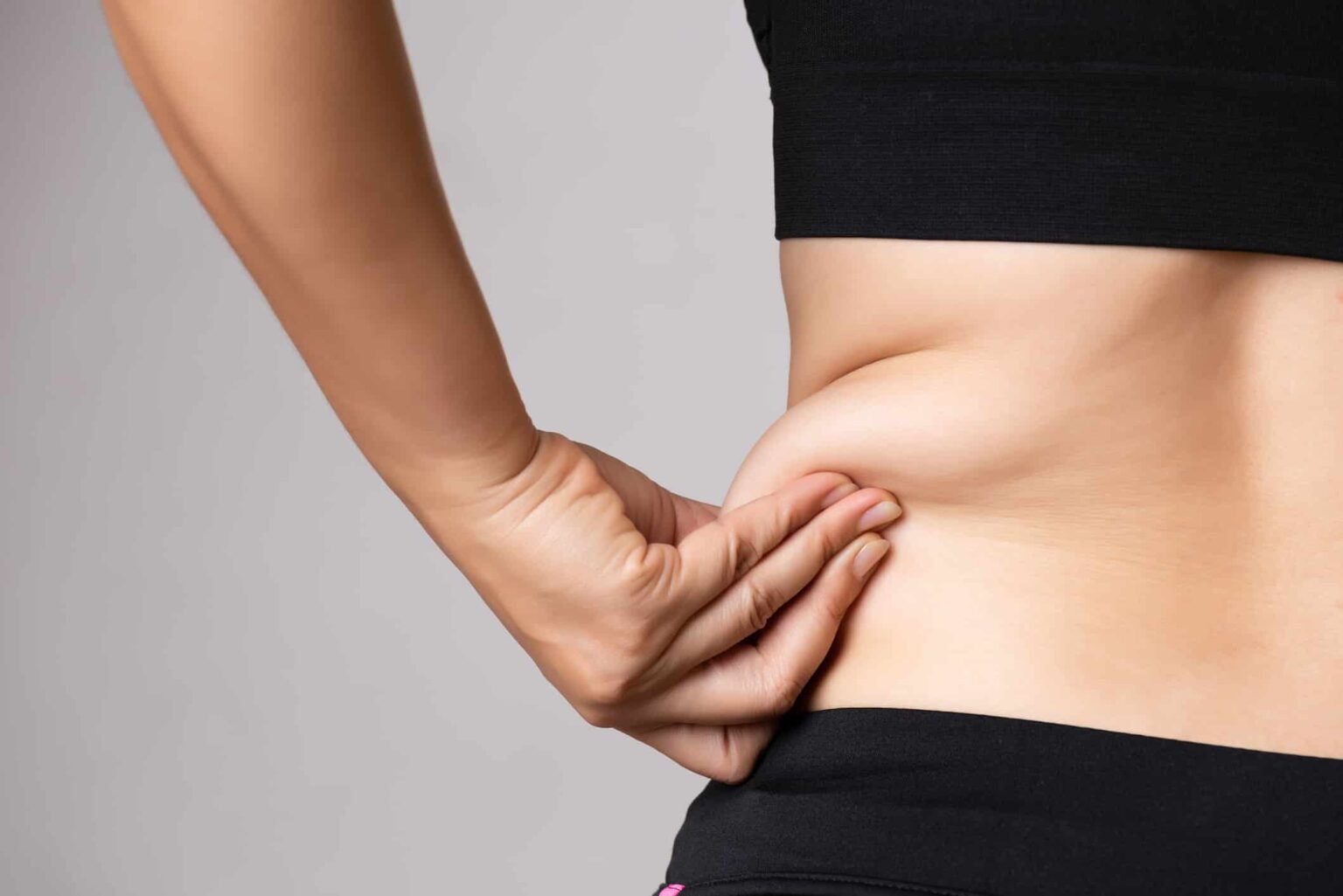
Liposuction removes localized fat deposits to improve shape and contour. It is especially useful in areas where fat tends to be resistant to training and nutrition changes. The abdomen, flanks, outer thighs, inner thighs, upper arms, back, under the chin, and sometimes the chest in men are common treatment zones.
The key word is localized. Liposuction works best when a person has a relatively stable body weight but still carries pockets of fat that seem out of proportion with the rest of the body. A patient may be fit, active, and generally healthy, yet still feel frustrated by fullness at the lower abdomen or “love handles” that never quite flatten out. Those are the sorts of concerns liposuction often addresses well.
It does not tighten loose skin in a meaningful way. It does not correct muscle separation after pregnancy. It does not treat cellulite reliably. It also does not replace the habits needed for long-term weight management. If fat removal is the right tool but skin quality is poor, a surgeon may recommend combining liposuction with another procedure, or steering you toward a different treatment entirely.
The strongest signs you may be a good candidate
Several patterns tend to show up again and again in patients who do well with liposuction:
- You are near your goal weight, often within about 10 to 20 pounds, and your weight has been stable for several months.
- You have distinct areas of stubborn fat that have not changed much despite a reasonable diet and regular activity.
- Your skin still has decent elasticity, meaning it can retract at least somewhat after fat is removed.
- You are in good general health, without uncontrolled medical issues that raise surgical risk or interfere with healing.
- You want contour improvement, not a dramatic total-body transformation.
That last point is easy to underestimate. The happiest liposuction patients are often the ones who come in saying something like, “I like my overall shape, but this one area has bothered me for years.” They usually have a specific wardrobe problem, a visible imbalance, or a profile they would like refined. Their goals are concrete. That tends to translate into better decision-making and better satisfaction after surgery.
Weight matters, but not in the way many people think
A lot of people ask if there is a target BMI for liposuction. Surgeons do Liposuction Michigan Aesthetic Plastic Surgery & Laser Center consider BMI, but it is only one part of the picture. In many practices, the better question is whether you are at a sustainable weight that reflects your usual habits. If your weight swings up and down by 15 or 20 pounds, or you are actively trying to lose a significant amount, it often makes sense to postpone surgery.
Here is why. Liposuction can improve body shape, but if substantial weight loss happens afterward, the final contour may not look the way you expected. On the other side, if weight is regained after surgery, the result can become less balanced over time. Fat cells removed by liposuction do not come back in the treated area in the same numbers, but the body can still store fat elsewhere, and untreated areas may become more noticeable.
I have seen this play out in a very predictable way. Patients who maintain a stable routine before surgery usually enjoy the longest-lasting improvement. Patients who view liposuction as the start of a future health plan, rather than a finishing step after building one, often struggle more with the result.
For many people, the best timing is when your weight has plateaued and your habits feel normal, not forced. You are eating in a way you can live with, moving regularly, and not chasing rapid changes.
Skin quality can make or break the outcome
One of the biggest differences between an average result and a very good one is skin elasticity. When fat is removed, the skin has to contract over the new contour. Younger patients often have an advantage here, but age alone is not the deciding factor. Sun damage, genetics, past weight fluctuations, and pregnancy history can matter just as much.
A patient in her early forties who has maintained a stable weight and has good tissue tone may have better skin retraction than a patient in his twenties who has lost a large amount of weight quickly. This is why a physical exam is so important. Photos and online quizzes cannot reliably judge whether your skin has enough elasticity for liposuction alone.
This issue comes up often with the lower abdomen. Someone may assume they need liposuction because of fullness below the belly button, but the real issue may be lax skin, stretched tissue, or muscle separation. In that situation, removing fat alone can leave the area looking flatter but looser. A tummy tuck, or a combination approach, may be more appropriate.
The same principle applies to the neck, arms, and thighs. Liposuction can refine these areas beautifully when the tissue supports it. When it does not, the conversation has to be more nuanced.
Your health history matters more than most websites admit
A good candidate for Liposuction Michigan is not just someone who dislikes a certain area of fat. Surgical safety has to come first. During a proper consultation, a surgeon will ask about prior operations, medications, smoking or vaping, clotting history, heart and lung conditions, diabetes, autoimmune disease, and your experience with anesthesia.
Even common medications and supplements can change the plan. Blood thinners, some anti-inflammatory drugs, certain herbal products, and nicotine all affect bleeding or healing. If you smoke, most reputable surgeons will want you to stop well before surgery and remain nicotine-free during recovery. That includes vaping and nicotine pouches, not just cigarettes.
Uncontrolled diabetes can impair healing. Significant cardiovascular disease can increase risk during and after surgery. A history of poor scarring, fluid retention, or blood clots does not automatically rule out liposuction, but it raises the level of caution.
This is one reason bargain-driven decision-making can backfire. A thorough medical workup may feel inconvenient in the moment, but it is usually a sign that the practice is taking your outcome seriously.
The emotional side of candidacy is real
Physical candidacy is only half the discussion. Emotional readiness matters too. Liposuction can change how a body looks, but it does not fix a strained relationship with the mirror. People who pursue surgery during a period of intense personal stress, immediately after a breakup, or in the middle of a major life upheaval sometimes have a harder recovery, even if the surgery itself goes smoothly.
The best candidates usually have a grounded reason for wanting the procedure. They have thought about it for a while. They are not being pushed into it by someone else. They understand that the first few weeks after surgery can involve swelling, bruising, compression garments, and temporary unevenness. They do not expect to wake up looking finished on day three.
That may sound obvious, but it comes up all the time. If someone expects instant perfection, normal healing can feel alarming. If someone understands that contour settles gradually over weeks and months, the same healing course feels manageable.
When liposuction may not be the right answer
There are plenty of situations where liposuction is a poor fit, even if a person is highly motivated. If you are looking for major weight reduction, treatment of loose hanging skin, or a correction for abdominal wall separation after pregnancy, liposuction alone will likely disappoint you.
It may also be the wrong time if you are planning pregnancy soon, actively losing a significant amount of weight, or unable to take time for recovery. Even a technically straightforward case still requires downtime, help with daily tasks for some patients, and a willingness to follow instructions.
Patients with unrealistic expectations are also poor candidates, even if they are healthy. If someone wants a specific celebrity body type, complete symmetry, or absolute skin smoothness, a responsible surgeon should slow the conversation down. Human anatomy does not work that way. Everyone begins with different bone structure, muscle shape, fat distribution, and skin behavior.
What Michigan patients should think about specifically
People searching for Liposuction Michigan are often comparing practices across suburban Detroit, Ann Arbor, Grand Rapids, Lansing, and smaller communities. The regional factor does not change the fundamentals of candidacy, but it can shape logistics and planning.
Recovery during Michigan winters, for example, can be less convenient than people expect. Compression garments under layers of clothing are manageable, but icy sidewalks, heavy boots, and limited mobility during the first few days can make routine errands harder. If your procedure is scheduled during a cold-weather month, it is worth planning transportation, grocery delivery, and help around the house ahead of time.
Work demands also matter. Many Michigan patients have jobs that are more physical than desk-based, especially in manufacturing, healthcare, retail, and skilled trades. A person with a remote office job may return to light work fairly quickly, while someone who lifts, bends, stands all day, or wears restrictive uniforms may need longer. A good candidate is not just medically fit for surgery, but also realistically able to recover from it.
Travel distance to the surgeon should be considered as well. Follow-up appointments matter. If you live several hours away and are considering surgery in another part of the state, make sure you understand how many post-op visits are expected and what happens if you have concerns after hours.
A good consultation should feel specific, not sales-driven
One of the easiest ways to tell whether you are truly a candidate is by the quality of the consultation. A strong consultation should not feel like a generic pitch. It should include an exam, a conversation about your goals, a review of your medical history, and a frank explanation of what the procedure can and cannot accomplish in your body.
If a surgeon is thoughtful, you may hear things you did not expect. You may be told that one area is a great candidate while another would not improve much. You may be advised to treat fewer areas than you originally planned. You may even be told to wait, lose a little more weight, stop smoking, or consider a different procedure.
That kind of restraint is often a good sign. The best surgeons do not say yes to everything. They match the treatment plan to the anatomy in front of them.
These are smart questions to ask during a consultation:
- Based on my skin quality and body type, what level of contour change is realistic?
- Would liposuction alone be enough, or would another procedure address my concerns better?
- How much recovery time should I expect given my job and daily routine?
- What are the most common trade-offs or limitations in my case?
- If I gain or lose weight later, how might that affect the result?
The answers should feel individualized. If every patient hears the same script, something is missing.
Realistic expectations lead to better outcomes
Patients often focus on the surgery day, but satisfaction usually comes from the alignment between expectations and reality. Swelling can last longer than people think. Bruising varies. Numbness or firmness in treated areas can linger for weeks or months. Early asymmetry does not always mean a final problem, but it does require patience.
A common scenario goes like this: a patient has liposuction of the abdomen and flanks, feels encouraged in the first week because clothing fits differently, then becomes worried in week three when swelling shifts and the area feels uneven. That can be a normal part of healing. The final contour develops gradually.
This is why candidacy is not just about whether fat can be removed. It is also about whether a person is prepared for the process of seeing the result emerge. The patients who do best usually understand that surgery creates a change, but healing reveals it.
Recovery readiness is part of being a good candidate
A person can be anatomically ideal for liposuction and still be a poor candidate if life does not allow for proper recovery. Think about your schedule honestly. Can you take time away from demanding work? Do you have help for children, pets, or household tasks if needed? Are you willing to wear compression garments and follow post-op instructions closely?
Recovery is rarely glamorous. It is practical. You may need to sleep differently, move more carefully, drink more water, walk regularly, and avoid certain activities longer than you would prefer. If your calendar is packed with travel, weddings, sports seasons, or home renovation projects, that can complicate the experience.
Timing matters almost as much as anatomy.
The bottom line most surgeons look for
When surgeons quietly decide who tends to do well with liposuction, the profile is fairly consistent. The best candidate is healthy, close to goal weight, bothered by distinct areas of persistent fat, realistic about outcomes, and able to recover responsibly. Good skin elasticity helps. Stable habits help even more.
If that sounds like you, a consultation is reasonable. If it does not, that does not mean your concerns are invalid. It may simply mean another approach would serve you better, whether that is more time at a stable weight, a different body contouring procedure, or a combination plan tailored to skin, muscle, and fat together.
For anyone considering Liposuction Michigan, the smartest first step is not asking how much fat can be removed. It is asking whether the procedure matches your body, your goals, and your life well enough to produce a result that still feels right six months later. That is the standard worth using.
Aesthetic Plastic Surgery & Laser Center, Michelle Hardaway M.D.
27920 Orchard Lake Rd, Farmington Hills, MI 48334, United States
+1 248-221-1957
FAQ About Liposuction Michigan
Is 55 too old for liposuction?
Age 55 alone does not determine suitability. A surgeon evaluates overall health, skin quality, healing risks, and realistic goals. A personal consultation is needed to assess candidacy and discuss alternatives.
What happens 10 years after liposuction?
Contour improvements can last, especially with stable weight. Aging, pregnancy, and weight changes can alter the appearance over time. Results vary, and liposuction does not prevent future body changes.
Can lipo get rid of an apron belly?
Liposuction reduces localized fat but does not remove hanging excess skin. An apron belly may require assessment for a skin-removal procedure instead of, or alongside, fat removal. A qualified plastic surgeon can explain appropriate options and their risks.