Body Contouring Farmington Hills: Questions to Ask Before You Commit

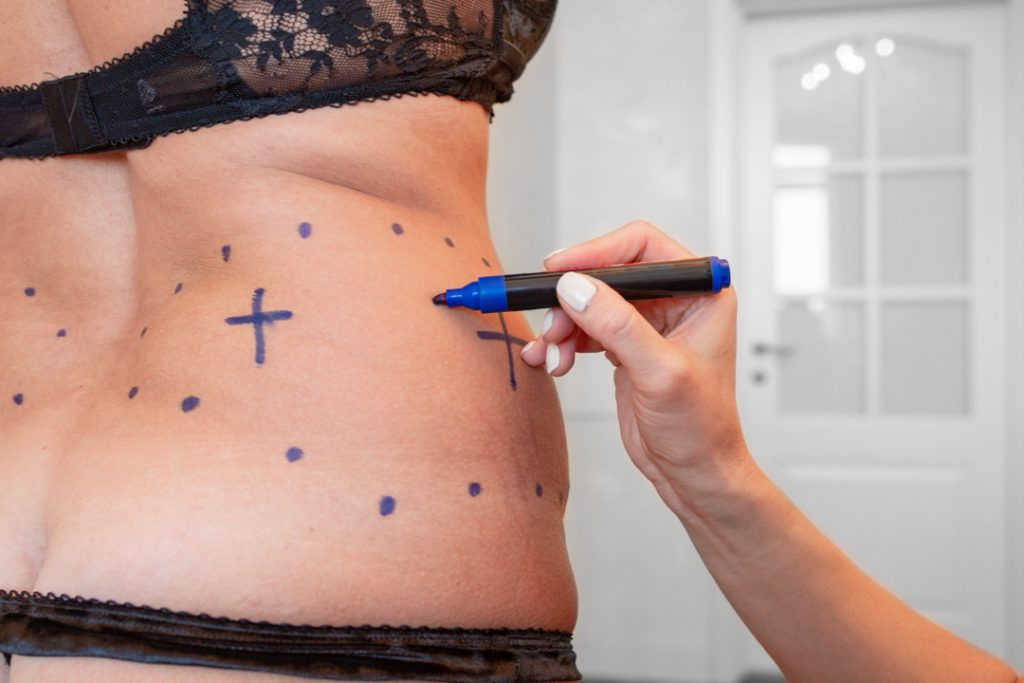
If you are considering body contouring, the sales language can make the decision sound simple. Schedule a consultation, pick a treatment, wait a few weeks, and enjoy a more sculpted shape. Real life is not that neat. Body contouring can be worthwhile, but only when the treatment matches your anatomy, your goals, your tolerance for downtime, and your expectations about change.
That is especially true when people start searching for Body Contouring Farmington Hills options and find everything from noninvasive fat reduction to skin tightening to surgical reshaping discussed as if they belong in one category. They do not. Some treatments target small pockets of fat. Some address loose skin. Some improve contour by tightening tissue. Others remove volume more aggressively but come with anesthesia, scars, and recovery.
The right decision usually comes down to the quality of the questions you ask before you sign anything, finance anything, or let anyone mark your body with a surgical pen. Patients who ask better questions tend to make better choices. They also recover with fewer surprises, because they understood the trade-offs from the beginning.
Start with the most important question: what exactly are you trying to change?
This sounds obvious, but many consultations go off track because the patient says, “I want to slim my stomach,” while what actually bothers them is loose skin after weight loss, a lower belly pouch after pregnancy, fullness at the flanks, or a lack of waist definition. Those are different concerns, and they respond to different treatments.
A skilled provider should spend time figuring out whether your issue is primarily fat, skin laxity, muscle separation, cellulite, or a combination. If they skip that distinction and quickly recommend the device or procedure they happen to sell, take that as a warning sign.
For example, someone at a stable weight with a small, pinchable pocket of fat at the lower abdomen may do well with a noninvasive treatment, knowing the result will be gradual and modest. Someone with crepey, loose skin across the same area may be disappointed by fat reduction alone, because reducing fullness can actually make laxity look more obvious. And someone who has had major weight loss may need to hear a truth that is less marketable but more honest: no device can reproduce the result of surgical skin removal when there is significant excess tissue.
This is often the turning point in a consultation. A good provider is not just trying to qualify you for treatment. They are trying to rule treatments out.
Ask whether you are a good candidate, not just whether you can be treated
Those are different questions. Almost anyone can be sold something. Not everyone is likely to benefit enough to justify the time, cost, and discomfort.
A meaningful consultation should cover your weight stability, history of pregnancy or weight fluctuations, prior surgeries, scar tendencies, medical conditions, medications, smoking or nicotine use, and how your skin behaves. Elastic, resilient skin responds differently than thin, stretched skin. So does tissue that has been altered by previous liposuction, C-sections, hernia repair, or extensive scarring.
The phrase “good candidate” is often overused, but it still matters. If your weight has been moving up and down by 15 or 20 pounds, your final contour may remain unpredictable. If you are planning pregnancy in the near future, certain procedures may not make sense right now. If your expectations are based on filtered photos or postoperative images taken under perfect lighting, you may not be happy even with a technically good result.
One of the most useful questions you can ask is this: If I were your family member, would you tell me to do this now, later, or not at all? Experienced clinicians usually answer that question differently than inexperienced sales teams. They have seen what happens six months later, not just what gets someone to book.
Clarify whether the treatment is noninvasive, minimally invasive, or surgical
People often use “body contouring” as a catch-all term, but the recovery, risks, and likely results vary enormously.
Noninvasive treatments generally use cooling, heat, radiofrequency, ultrasound, or similar technologies to reduce fat or tighten tissue without incisions. These tend to have less downtime, but they also tend to produce subtler changes. “No downtime” is not always literal. You may still have swelling, numbness, bruising, tenderness, or temporary irregularity.
Minimally invasive options sit in the middle. They may involve small access points, local anesthesia, internal heating, or tissue removal through limited openings. Recovery is usually easier than a full surgery, though not effortless.
Surgical contouring is a different category. Liposuction, abdominoplasty, arm lift, thigh lift, and similar procedures can produce more dramatic reshaping, but they also carry the realities of anesthesia, compression garments, drains in some cases, scars, and a longer recovery timeline.
If a provider uses soothing language that blurs those distinctions, slow the conversation down. Ask them to say plainly where your treatment sits on that spectrum. Patients get into trouble when they consent to something with a surgical-level recovery after hearing it described in spa language.
Get specific about expected results, and make them quantify “improvement”
Vague promises are one of the biggest pitfalls in aesthetic medicine. “You’ll look slimmer” or “you’ll notice a difference” does not tell you enough to make a decision.
A more productive conversation sounds like this: How much reduction do patients like me usually see? Is the result visible in clothing, out of clothing, or both? Will this improve one problem while doing little for another? Is the best-case outcome subtle, moderate, or dramatic?
That language matters. A modest reduction can still be worthwhile if the goal is to smooth the outline of an area under fitted clothing. The same result may feel disappointing if the patient expects a clear change in body shape at the beach or in photos. Neither reaction is wrong. The mismatch happens when expectations stay vague.
I have seen this play out most often with lower abdomen treatments. A patient may be thrilled that a small bulge is less prominent in leggings. Another patient with the same technical improvement may say, correctly from her perspective, that she still sees the pouch every time she looks in the mirror. The tissue changed, but not enough to match the expectation she brought in.
Ask to see before-and-after photos of patients with your body type, your concern, and your degree of tissue laxity, not just ideal candidates. If every photo features perfect skin tone, small treatment areas, and excellent lighting, you are not getting a complete picture.
You need a straight answer on how many sessions may be required
A single treatment sounds appealing. It is not always realistic.
Some body contouring methods are designed as a series. Others can be repeated depending on response. Even when one session is technically enough, many patients pursue more than one area or want a second round because the first improvement revealed another concern.
That is why one of the smartest financial questions is not “What does it cost?” but “What is the likely total cost for the outcome I want?” A treatment priced attractively per session can become far more expensive if your anatomy or goal makes multiple sessions likely.
This is where honest practices separate themselves from aggressive ones. A thoughtful provider will tell you when the probable number of sessions makes the treatment a poor value for your case. That can be hard to hear, especially if you came in wanting a noninvasive option. But it is better than spending several rounds of treatment fees to chase a result that a different approach could have addressed more efficiently.
Ask what recovery really feels like in ordinary life
Patients usually ask about downtime. Fewer ask about functionality. That is where the practical truth lives.
Can you sit comfortably at work the next day? Sleep on your side? Pick up a toddler? Exercise? Wear normal clothes? Drive? Travel? Return to a physically demanding job? Swelling and soreness affect daily life differently depending on what you do for a living and how much support you have at home.
For people seeking Body Contouring Farmington Hills services, daily logistics often matter as much as the treatment itself. A desk worker may tolerate compression garments and tenderness very differently than a hairstylist, nurse, fitness instructor, or parent of two young children. A procedure that sounds manageable on paper can feel disruptive when it interferes with your ability to bend, lift, or move naturally.
Recovery also has an emotional side. Bruising, asymmetry during healing, temporary firmness, numbness, and visible swelling can unsettle patients who expected a smooth progression. The best providers normalize these phases ahead of time instead of treating them like rare exceptions.
A useful question here is: What tends to surprise patients during recovery? You will often get more candid information from that than from a generic downtime estimate.
Understand the risks, including the uncommon ones
No aesthetic procedure is risk-free. Even noninvasive treatments can cause burns, contour irregularities, prolonged numbness, paradoxical changes, or disappointing asymmetry. Surgical options carry broader risks, including infection, bleeding, fluid collections, wound healing problems, scarring issues, anesthesia complications, and revision needs.
You do not need a dramatic recital of worst-case scenarios. You do need a provider who can discuss risk without becoming defensive or dismissive. If they wave away your concerns with “That never happens” or “You’ll be fine,” that is not reassuring. It suggests they may not be used to informed questions.
Ask how often they personally see complications, how they define a normal versus abnormal recovery, and who manages you if a problem develops after hours or over the weekend. Complications are never convenient. You want to know whether the practice has real follow-up systems, not just a nice website.
Do not skip the conversation about skin quality
This is one of the most overlooked parts of body contouring decisions. People focus on fat volume because it is easy to visualize. Skin quality is often the deciding factor in whether the result looks smooth, tight, and balanced.
Age matters, but not as much as skin behavior. I have seen younger patients with surprisingly poor recoil after weight fluctuations, and older patients with excellent elasticity who heal beautifully. Pregnancy history, sun exposure, genetics, prior weight loss, and smoking all influence how tissue responds.
A provider should be able to tell you, in plain language, whether reducing fullness is likely to improve your contour or whether your skin may limit the visible payoff. This is not pessimism. It is planning.
Sometimes the best answer is a staged one. Improve weight stability first. Address skin quality before treating fat, or pair methods thoughtfully. Consider whether a surgical option is more appropriate if looseness is substantial. Mature clinical judgment often sounds less exciting than marketing, but it saves people from spending money on results that were never likely.
Ask who is performing the treatment, and how often
This should not feel awkward. It is basic due diligence.
In many practices, consultations are done by one person, treatment by another, and follow-up by someone else. That setup is not automatically a problem, but it should be transparent. You should know who plans your treatment, who performs it, their training, how often they do that exact procedure, and what level of supervision exists if it is delegated.
Experience matters in aesthetic medicine because nuance matters. Device settings, treatment pattern, patient selection, pain control, postoperative guidance, and recognition of early complications all improve with repetition and judgment. A technically available treatment is not the same thing as an expertly delivered one.
If you are considering surgery, ask about the facility, anesthesia arrangements, and postoperative care pathway. If you are considering a device-based treatment, ask whether the plan is customized or standardized. There is a difference between using a machine and using it well.
Bring these questions to your consultation
The strongest consultations tend to be conversational, but it helps to arrive prepared. A short written list keeps you from forgetting the practical issues once the discussion turns to photos and pricing.
- What problem am I actually treating here, fat, loose skin, muscle laxity, cellulite, or more than one?
- Am I a strong candidate for this treatment, or just an eligible one?
- What level of improvement is realistic for someone with my anatomy?
- How many sessions or stages might I need, and what would the total cost likely be?
- What are the most common downsides, and what tends to surprise patients during recovery?
That list is short on purpose. If a provider cannot answer those five clearly, the rest of the conversation will not make the decision safer.
Be cautious with photos, promotions, and package deals
A discounted offer can make people move too fast. Aesthetic practices know this. Seasonal specials, treatment bundles, financing plans, and same-day booking incentives are common. Some are perfectly legitimate. Some create pressure where caution would serve you better.
Before-and-after photos deserve the same skepticism you would bring to any marketing material. Lighting, posture, hydration, tan, undergarments, camera angle, and even facial expression can change the way a torso or thigh appears. That does not mean photos are useless. It means they are only one tool.
Ask whether the images show one treatment or several, whether weight changed between photos, and how far out the after photo was taken. Early swelling reduction can create a temporary “wow” factor before the final tissue behavior becomes clear. A result photographed at six weeks is not the same as one documented at six months.
Package deals can also blur the real question, which is whether each component adds value for your case. More treatment is not always better treatment.
The cheapest option is often the most expensive one
This is one of the hardest lessons in cosmetic care. When a price looks dramatically lower than the market around it, there is usually a reason. Sometimes it is a limited service model. Sometimes it is less experienced staff. Sometimes it is a weaker treatment plan sold with optimistic promises. Sometimes the provider is competing on price because they cannot compete on judgment.
That does not mean the highest price equals the best care. It means you should evaluate value, not just cost. Value includes patient selection, provider skill, safety standards, realistic planning, follow-up, and revision policy. It also includes honesty. A clinic that tells you a treatment is not right for you may save you thousands of dollars and months of frustration.
I have seen patients spend modest amounts several times over on low-yield treatments because each one felt less intimidating than making a bigger decision. By the time they reached the option that actually fit their anatomy, they had spent more overall and felt more discouraged. The problem was not that they started conservatively. It was that nobody had laid out the likely path clearly.
Timing matters more than many patients realize
Body contouring should be done at a point when your life supports recovery and stability. If you are in the middle of a major move, a stressful work season, a fresh exercise program, or active weight loss, that timing may not be ideal. If you have an important event approaching, ask whether you will truly be healed, settled, and photo-ready, not just technically recovered.
Michigan’s seasonal shifts can also influence comfort and planning in everyday ways. Compression garments may be easier for some people in cooler months and less comfortable in peak summer heat. Travel, lake weekends, weddings, and holiday schedules can affect whether you are realistically prepared for bruising, swelling, or exercise restrictions. Those details are not medically profound, but they matter to satisfaction.
A good body contouring plan fits your calendar as well as your anatomy.
Watch for language that signals overselling
Some phrases should make you pause, even when they are delivered confidently. Be wary if you hear any version of the following:
- “This works for everyone.”
- “You won’t need downtime.”
- “It’s just like surgery, without surgery.”
- “We can always do more if you’re not happy.”
- “Most people see dramatic results.”
Experienced clinicians tend to speak more carefully than that. They qualify. They explain limits. They compare options. They say when a result may be modest. Precision is a sign of competence, not a lack of confidence.
What a strong consultation usually feels like
The best consultations are often less flashy than people expect. Nobody is rushing you. The provider examines the treatment area carefully, asks about your weight history, discusses your priorities, and points out things you may not have noticed, including limitations. They explain what they would treat, what they would leave alone, and why.
They also make room for the possibility that doing nothing right now is a valid choice.
That point matters. A practice worth trusting should be willing to lose the sale if the timing is wrong, the expectation is unrealistic, or the treatment match is poor. A patient who hears “not yet” or “not this procedure” may feel disappointed in the moment, but that is often the beginning of a better outcome later.
For anyone exploring Body Contouring Farmington Hills, the smartest move is not to ask which treatment is most popular. It is to ask which option best fits your body, your priorities, and https://stephenowjm111.silverstonebrief.com/posts/body-contouring-farmington-hills-what-makes-a-great-treatment-candidate your tolerance for compromise. Every contouring method is a compromise of some kind. The real skill lies in choosing the one whose trade-offs you can live with.
When you leave a consultation, you should be able to answer three things clearly: what problem is being treated, what result is realistically possible, and what you are taking on in return. If any of those remain fuzzy, you are not ready to commit.
Aesthetic Plastic Surgery & Laser Center, Michelle Hardaway M.D.
Address: 27920 Orchard Lake Rd, Farmington Hills, MI 48334
Phone number: +12482211957
FAQ About Body Contouring Farmington Hills
What does body contouring actually do?
Body contouring (or body sculpting) eliminates stubborn localized fat, tightens loose, sagging skin, and reshapes your silhouette. It is not a weight-loss tool, but rather a cosmetic procedure used to refine and tone specific trouble spots after major weight loss, pregnancy, or aging.
How much does body contouring usually cost?
The total cost of body contouring usually ranges from $2,000 to $25,000+ depending entirely on whether you choose non-surgical sessions or major surgical procedures.
Because "body contouring" covers everything from simple fat-freezing to comprehensive post-weight-loss surgeries, pricing is heavily categorized by the method used.
What is the best type of body contouring?
Liposuction is a huge topic and worth discussing in more detail, but in terms of body contouring and sculpting, nothing does the job better than liposuction, particularly VASER liposuction.